Introducing Frame War
Submit your best edit, make it into the Top 3, and compete for the monthly Frame War reward. The winner receives cash plus exposure across EarnEdits community channels.
PRODUCT CATEGORIES
Submit your best edit, make it into the Top 3, and compete for the monthly Frame War reward. The winner receives cash plus exposure across EarnEdits community channels.
 Back
Back

 Feb 26, 2026
 Muhammad Sikandar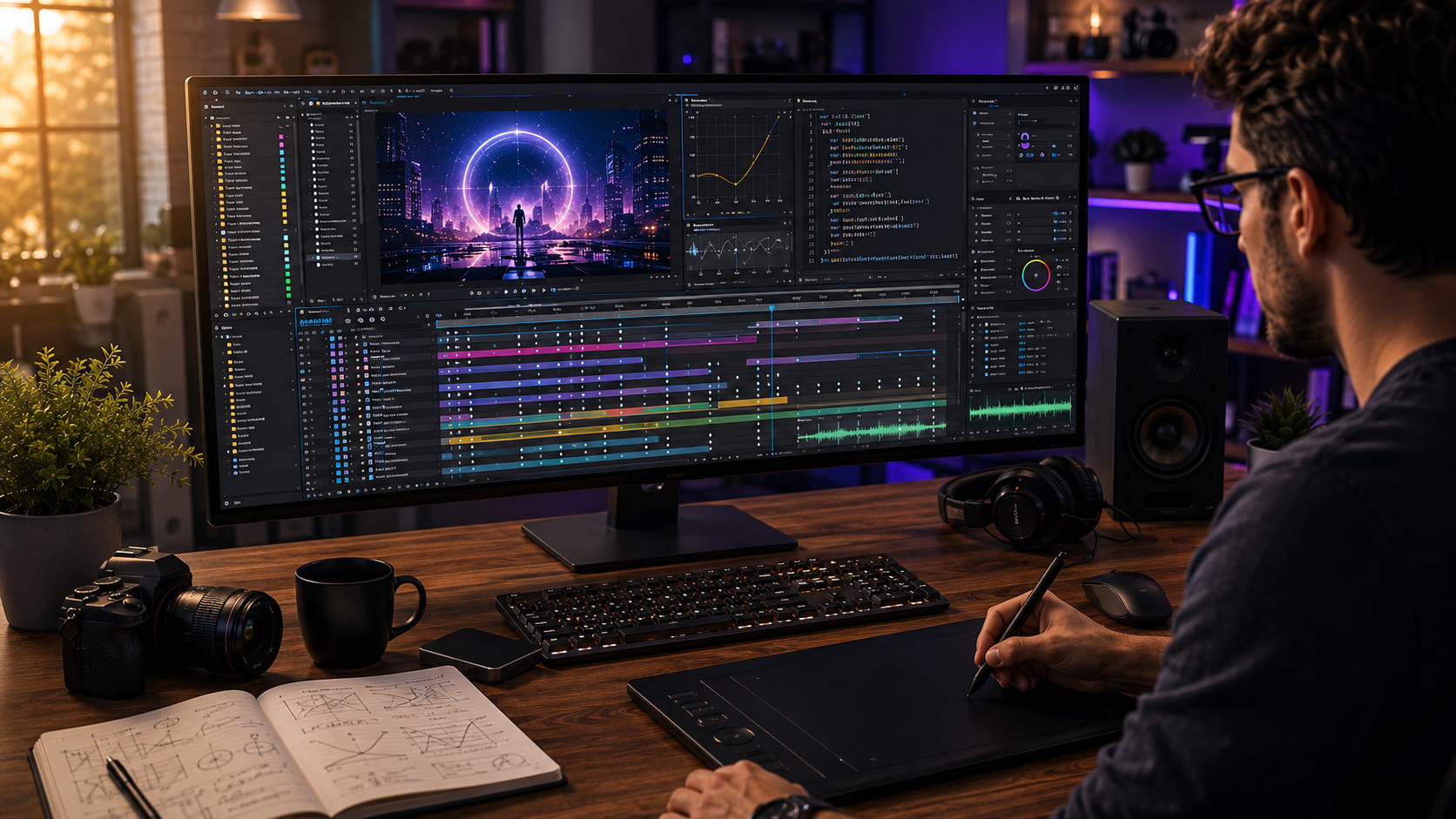
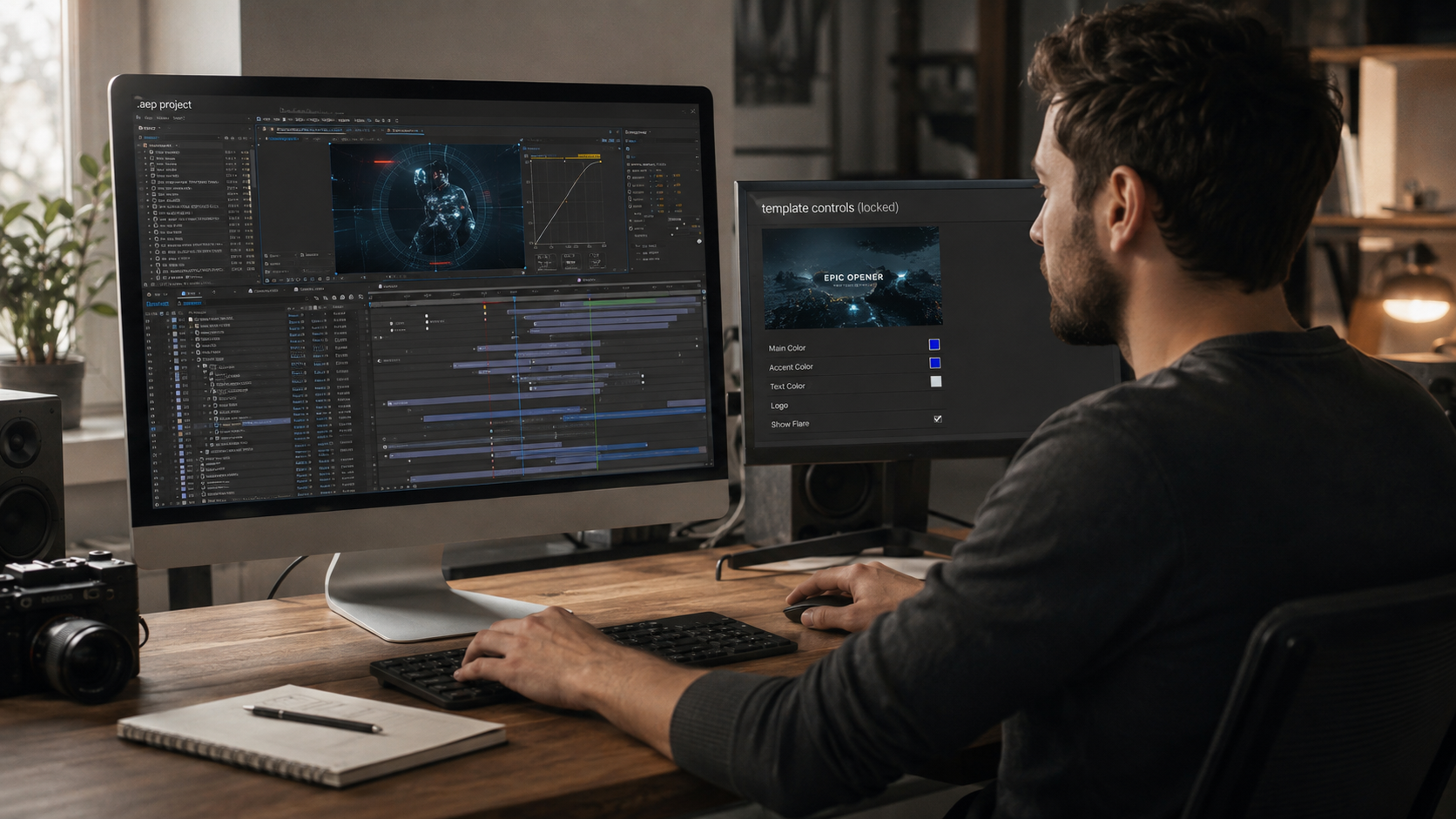
Full editability decides five practical outcomes for a video editor: client revision economics, learning possibility, asset multiplication, trend adaptation speed, and file longevity. Editability means every layer, keyframe, expression, and composition in the .aep stays open to modification. A file missing the property fails silently: the limitation appears mid-project, at the exact moment a change is required. The five stakes below make the case in production terms. The 5-minute audit at the end verifies editability inside any downloaded file before real work starts.
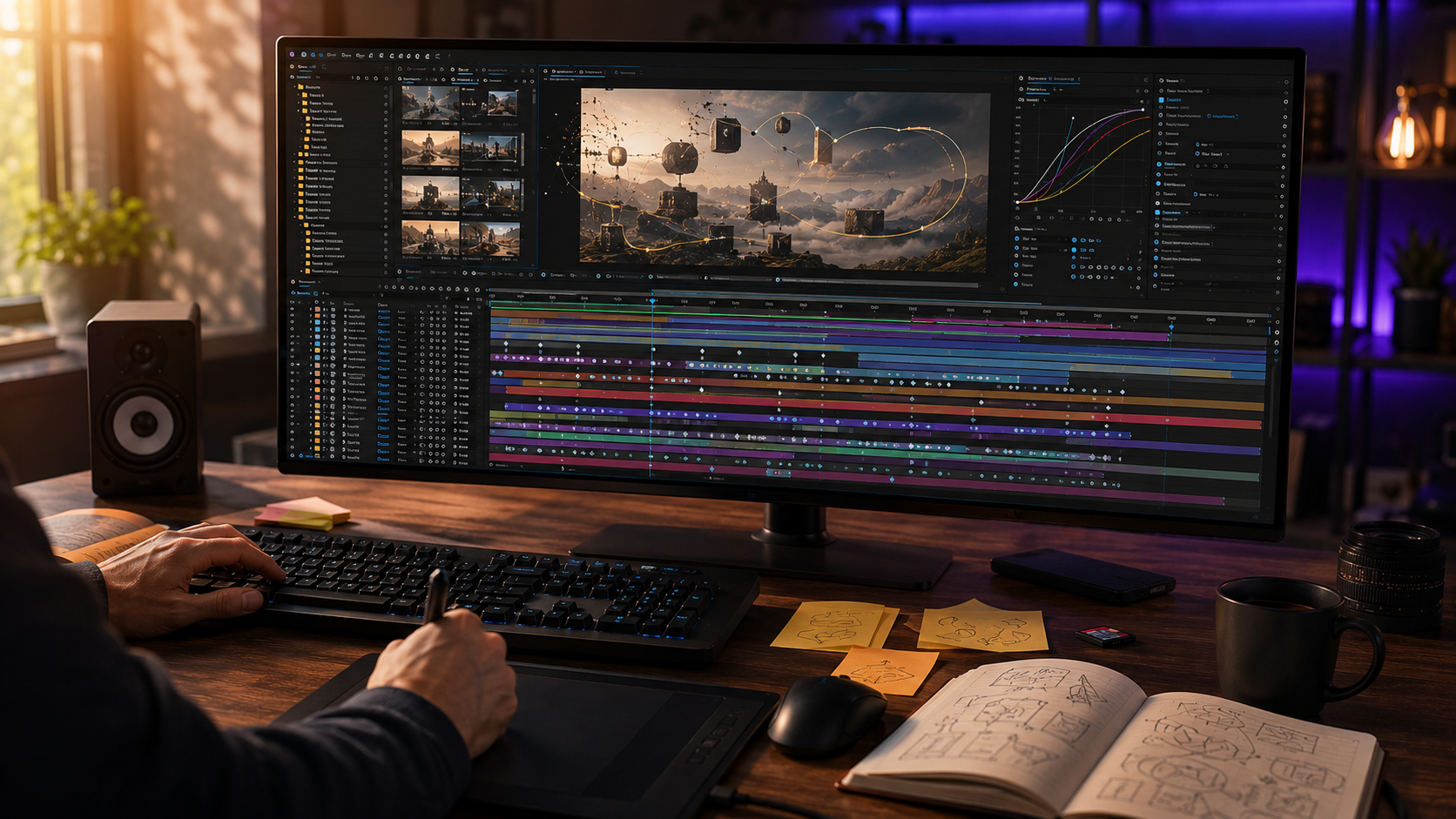
Client work runs on revisions, and editability is the difference between a revision and a dead end. A typical client project carries 2 to 4 revision rounds, and the requests land anywhere: a new logo, a re-timed section, a restructured opening, a color shift across every scene.
A fully editable file absorbs every request as a normal edit. A partially locked file absorbs requests until one touches a sealed element, and the editor then explains a limitation the client never agreed to. The explanation costs trust, and the workaround costs hours. Editors pricing their work on revision-inclusive quotes protect their margin with editability alone.
A file teaches only what it exposes, and a fully editable file exposes everything. The professional decisions inside an edit live in the parts locked files seal: the easing curves, the effect stacking order, the expression logic, the precomp structure. Deconstruction study requires access to all of it.
The learning stake compounds for newer editors, because every studied file doubles as a lesson. The selection standards for study-grade files are covered in our guide to the best After Effects project files for beginners. Every criterion on that list is an editability criterion underneath.
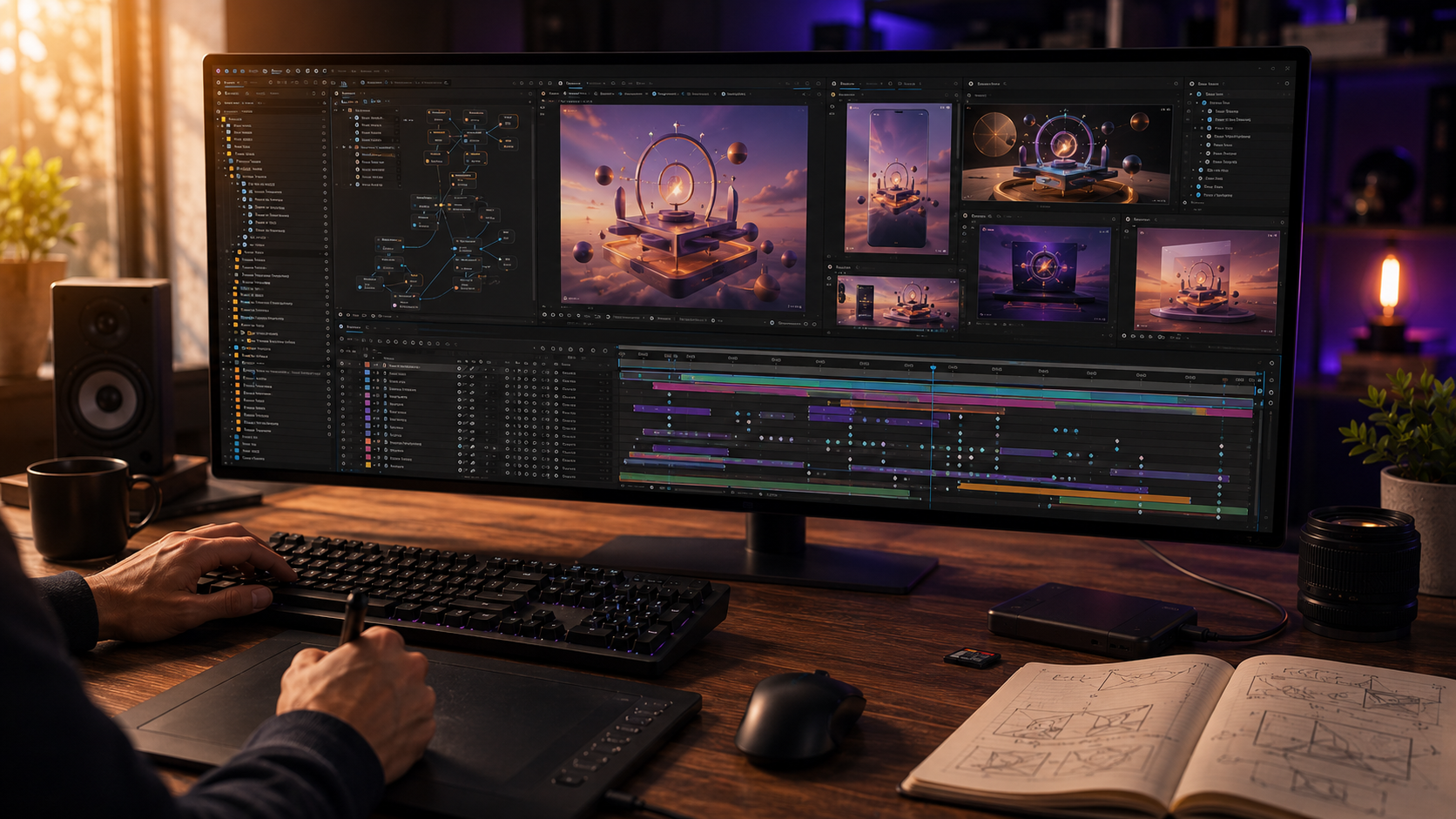
One fully editable file converts into many deliverables, and a locked file converts into one. The multiplication path: an editor buys one viral edit, customizes the footage and text for client A, re-times the structure for client B, and rebuilds the color system for a personal brand series. Three deliverables, one purchase.
The economics only work when all five customization layers stay open: footage, text, color, timing, and structure. The complete repurposing workflow, from purchased file to paid client deliverable, is covered in our guide on using After Effects project files in client work.
Short-form trends move weekly, and editability decides how fast an edit adapts. Trend adaptation is a timing operation: re-cutting to a new audio track, adjusting the hook window, matching a pacing pattern the platform currently rewards. Every one of those operations lives in the keyframes and the composition structure.
An editable file re-times to a new trend in a session. A locked file cannot re-time at all, because timing sits outside the exposed parameters in nearly every locked format. Editors serving social clients feel this stake most, since trend speed is the service being sold.
An editable file grows with the editor, and a locked file stays exactly as capable as the day of purchase. A beginner uses an editable file at the surface: text and color swaps. The same editor six months later re-times it, restructures it, and lifts techniques out of it. The file’s value expands with the editor’s skill.
The longevity stake reframes the purchase decision. A locked file is an expense that produces one output. An editable file is an asset that appreciates as the owner improves.
Five checks inside After Effects confirm a downloaded file is fully editable before real work starts. Run the audit on every new file, from any source.
A file passing all five checks supports the full five stakes above. A file failing two or more delivers template-level value regardless of what the listing promised. The pre-purchase version of this verification, run on marketplace listings before buying, sits in our comparison of After Effects project files vs templates.
Fully editable means every layer, keyframe, effect parameter, expression, and composition stays open to modification. Partial editability, text and color only, is the template model wearing project-file language.
No. Editable files support every skill level at once. A beginner edits the surface controls, and an advanced editor restructures the build. The locked file caps both at the same shallow layer.
Yes, with one habit: duplicate first. Save a copy before editing, and the original stays as the permanent reference. The working copy then absorbs any experiment without risk.
Locking protects the creator's technique from being studied and reused. The lock is a business choice that transfers the cost to the buyer: less learning, fewer revisions, one-output files. Open-file sellers make the opposite choice and compete on the value of the build itself.
Every file in the EarnEdits library ships fully open: complete timeline access, labeled layers, readable expressions, and color control panels. Openness is the standard the entire library of After Effects project files is built on, by editors, for editors.

Explore more guides on After Effects project files and viral editing workflows.
Production-ready edits that teach you how they were built.