Back
Back

 Mar 01, 2026
 Muhammad Sikandar
Stunning video output is not a universal quality of flashy effects or complex animations. It is the alignment between a template’s visual style and the content’s communication goal. Four template characteristics (pacing, transition type, text treatment, motion intensity) determine visual style, and each content type requires a specific combination of those characteristics to produce output that reinforces rather than contradicts the video’s message.
EarnEdits builds open Adobe After Effects .AEP project files organized by content category (viral short-form edits for Instagram Reels and TikTok, SaaS UI animation explainers) with native effects, labeled compositions, and descriptive layer names, so the template-to-content match is visible from the browsing stage.
Template selection, not template quality, is the decision that determines whether a video looks stunning or visually disconnected from its message.
A template with flawless motion physics, smooth easing curves, and professional color grading still produces mismatched output if its visual personality contradicts the content type. A high-energy glitch template applied to a calm brand story creates visual tension the viewer cannot resolve. A slow cinematic parallax template applied to a fast-paced entertainment edit feels sluggish against the audio energy. The template is technically well-built in both cases. The problem is selection, not construction.
Most template marketplaces organize libraries by visual element type: intros, transitions, lower thirds, slideshows, logo reveals. An editor producing a talking-head educational Reel and an editor producing a cinematic product showcase browse the same “Titles” category and see the same templates. The categorization tells the editor what the template IS but not what content it SERVES. This gap forces editors to select based on visual appeal rather than content alignment.
The result: templates that impress in preview but feel wrong in the final video because the visual style and the content type occupy different registers.
Every After Effects template’s visual personality is defined by four characteristics, and evaluating each characteristic against the content type reveals whether the template will produce aligned or mismatched output.
Pacing
Pacing is the rhythm of visual change: how frequently cuts, transitions, and text changes occur. Fast pacing (cuts every 1-2 seconds) creates energy. Moderate pacing (cuts every 3-5 seconds) creates structured flow. Slow pacing (extended holds with gradual transitions) creates atmosphere. Educational content needs moderate pacing for absorption. Entertainment needs fast pacing for retention. Brand storytelling needs slow pacing for emotional impact.
Transition type
Transitions define how the template moves between visual sections. Hard cuts feel direct and modern. Smooth dissolves feel cinematic and deliberate. Kinetic wipes feel dynamic and energetic. Glitch effects feel edgy and experimental. A product showcase using glitch transitions contradicts the clean attention the product requires. A music edit using slow dissolves contradicts the audio’s energy.
Text treatment
Text treatment determines how written content appears and occupies screen space. Bold kinetic typography (large, animated, screen-filling text) prioritizes text as the primary visual element, ideal for content where words carry the message. Subtle minimal text (small, clean, understated type) keeps text secondary to footage. Animated captions (text synced to speech) serve talking-head and voiceover content specifically. Selecting a kinetic typography template for a footage-driven brand story buries the visuals behind text the viewer did not expect to dominate.
Motion intensity
Motion intensity is the overall energy level of animation across the template. High-intensity motion (constant movement, rapid scale changes, aggressive camera animation) matches music edits, event promotions, and trend-responsive entertainment. Low-intensity motion (selective, purposeful animation with stillness between movements) matches product showcases, testimonials, and SaaS explainers. Medium-intensity motion (rhythmic animation at predictable intervals) matches educational series and weekly content formats.
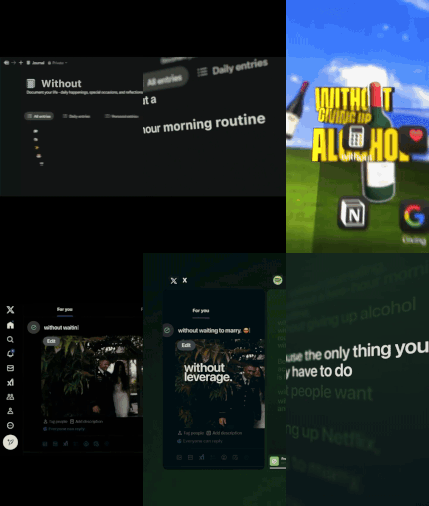
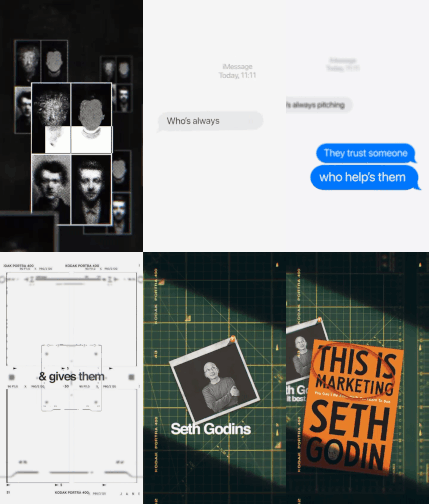
EarnEdits project files target viral short-form edits and SaaS UI explainers with open .AEP format, native Adobe After Effects effects, and labeled compositions. The content match is built into the library.
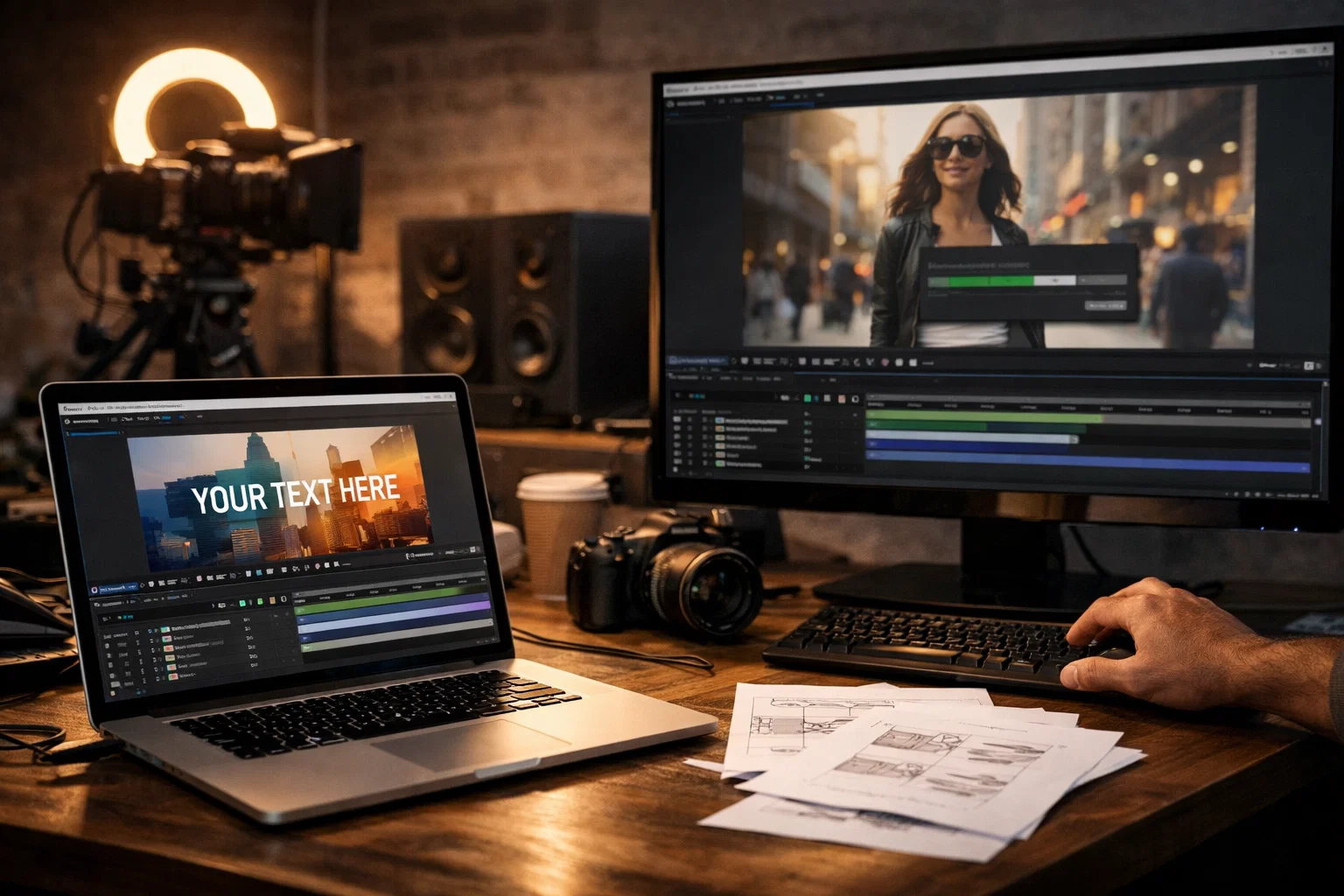
Each content type has a communication goal that aligns with specific visual characteristics, and selecting a template whose four characteristics match the content type produces the output editors describe as “stunning.”
Educational and talking-head content
Communication goal: information transfer and viewer comprehension. Matching style: moderate pacing (3-5 seconds per section), clean hard cuts or subtle transitions, bold text treatment with high readability (the text IS the content), and medium motion intensity. Templates with kinetic typography, structured text reveals, and clean backgrounds serve this content type.
Brand storytelling
Communication goal: emotional progression and brand identity reinforcement. Matching style: slow pacing with extended holds, cinematic transitions (dissolves, light-based fades, camera movements), minimal text treatment (footage and music carry the story), and low-to-medium motion intensity. Templates with parallax camera motion, atmospheric color grading, and smooth editorial transitions serve this content type.
Product showcases
Communication goal: focused attention on the product with clear visual hierarchy. Matching style: moderate pacing (enough time to examine each angle), clean transitions that direct attention (zoom-ins, smooth slides, focus shifts), minimal text (feature callouts secondary to the visual), and low motion intensity. Templates with smooth reveal animations, clean backgrounds, and controlled camera movement serve this content type.
Entertainment and music-driven edits
Communication goal: energy matching and viewer retention through visual intensity. Matching style: fast pacing synced to audio beats, dynamic transitions (kinetic wipes, zoom punches, glitch effects), bold text if present (large, fast, screen-filling), and high motion intensity matching the audio’s energy. Templates with beat-synced cut markers, aggressive transition animations, and high-contrast color treatments serve this content type.
SaaS and UI animation explainers
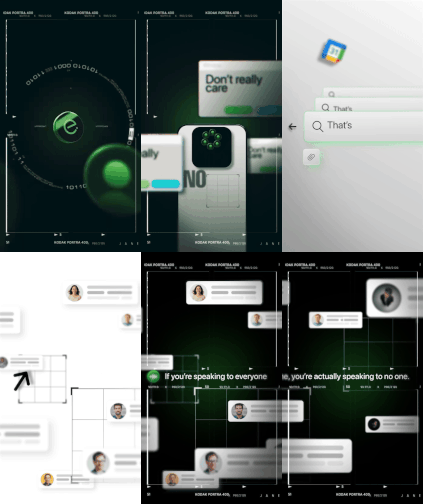
Communication goal: functional clarity and interface comprehension. Matching style: moderate-to-slow pacing (enough time to understand each UI state), clean minimal transitions (dissolves between screens, smooth scroll animations), structured text (labels, annotations, feature descriptions integrated into the UI flow), and low motion intensity that demonstrates functionality rather than decorating it. Templates with screen mockup compositions, clean typography systems, and UI-focused layouts serve this content type.
EarnEdits builds open Adobe After Effects .AEP project files organized by content category rather than by visual element type. EarnEdits targets two content categories specifically: viral short-form edits for Instagram Reels and TikTok, and SaaS UI animation explainers. EarnEdits project files use native Adobe After Effects effects only, requiring zero third-party plugin installations. EarnEdits labels every composition, layer, and control null with descriptive names that identify each element’s function in the project. This content-type organization means the template-to-content match is visible from the library browsing stage, eliminating the guesswork that element-type categorization (intros, transitions, lower thirds) forces on editors selecting templates from generic marketplaces.

A 30-second preview assessment using the four visual characteristics prevents mismatched purchases and wasted customization time.
Check 1: Does the pacing match your content type? Count the visual changes per section in the preview. Fast cuts (1-2 seconds) suit entertainment. Moderate rhythm (3-5 seconds) suits educational and product content. Slow holds suit brand storytelling.
Check 2: Do the transitions match your content’s register? Glitch effects and kinetic wipes signal energy. Smooth dissolves signal cinematic polish. Hard cuts signal directness. The transition register must match the emotional tone of your content.
Check 3: Does the text treatment match your content’s hierarchy? If your content is text-driven (educational, captioned), the template should prioritize text readability. If your content is footage-driven (brand story, product), text should stay secondary.
Check 4: Does the motion intensity match your audio and platform? High-energy motion matches high-energy audio and platforms rewarding fast visual change. Low-energy motion matches content rewarding focused attention.
If all four align, the template fits. If any contradict, the output will feel disconnected regardless of the template’s production quality.
Every EarnEdits .AEP targets a specific content category with labeled compositions, native Adobe After Effects effects, and descriptive layer names. Visual style and content purpose aligned from the library level.
Stunning output results from alignment between the template's visual style and the content's communication goal, not from the complexity of the effects. A template with simple, clean motion produces stunning educational content. A template with aggressive kinetic energy produces stunning entertainment content. The match between style and purpose creates the quality the viewer perceives.
Evaluate the template against four visual characteristics: pacing, transition type, text treatment, and motion intensity. Compare each characteristic to your content type's requirements. If all four align, the template fits your content.
Only if the content types share similar visual requirements. A moderate-pacing, clean-transition template can serve both educational content and product showcases because both require structured flow and visual clarity. A high-energy template built for music edits cannot serve SaaS explainer content because the pacing, transitions, and motion intensity contradict the explainer's communication goal.
The template's visual style does not match your content type. A preview demonstrates the template's production quality in isolation. The final video reveals whether that visual style reinforces or contradicts your content's message. Evaluating the four characteristics before purchasing prevents this disconnect.
Yes. Open .AEP project files require Adobe After Effects to open and preview. However, most template marketplaces display video previews that allow the four-characteristic evaluation before purchase. EarnEdits After Effects project files include video previews showing pacing, transitions, text treatment, and motion intensity for each template.

Explore more guides on After Effects project files and viral editing workflows.
Production-ready edits that teach you how they were built.